Notes
Land cover passed. Now price the clearing.
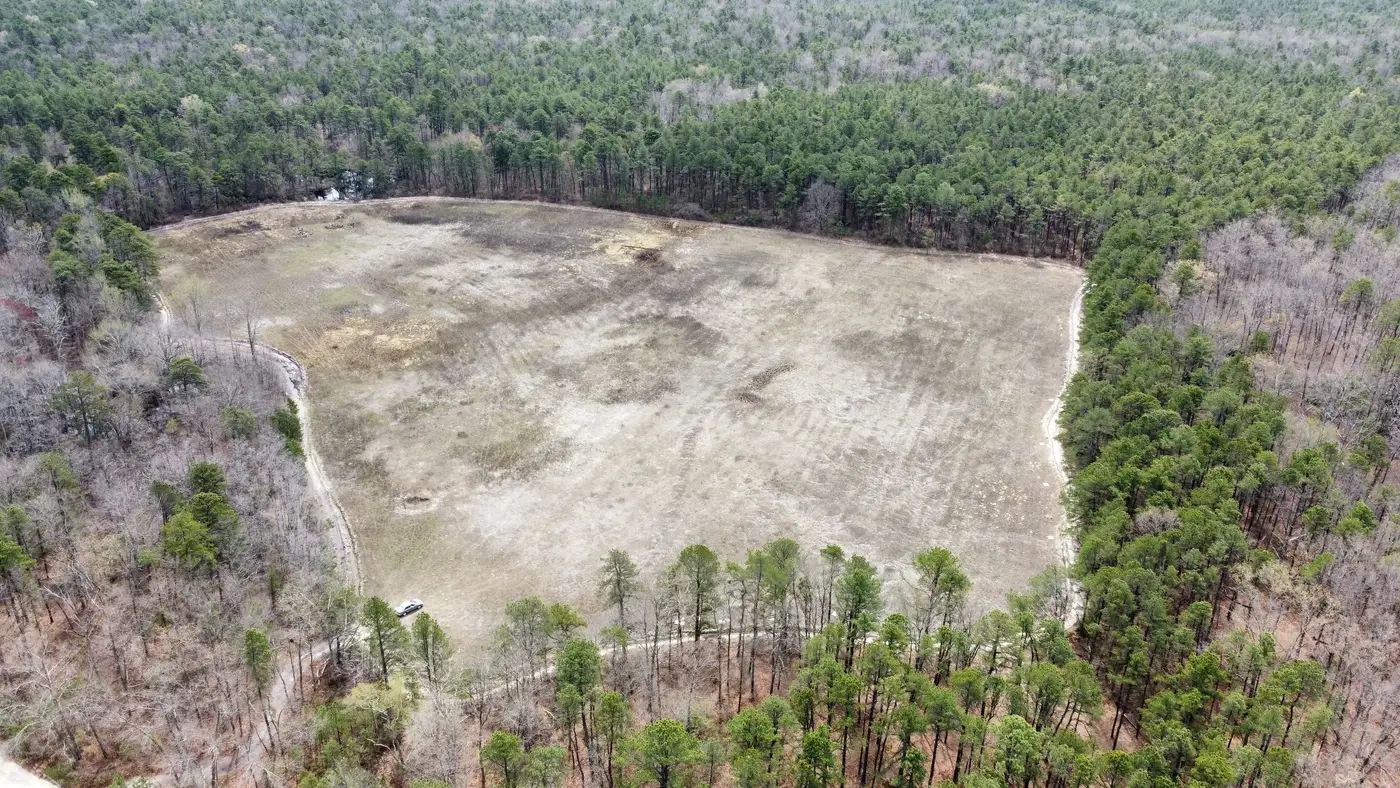
A parcel can clear every box on a land-cover screen and still carry a six-figure clearing bill nobody put in the model. That's the gap this post is about: the difference between "the land cover here doesn't exclude the site" and "we know what it costs to make this site buildable."
What a land-cover pass actually tells you
A land-cover screen classifies the parcel: forest, scrub, pasture, wetland, developed. Most screening workflows treat forest as a flag, not an automatic reject. A wooded 40-acre parcel with the right slope, aspect, and shape can pass the same screen as an open hayfield next door. The screen is answering one question: is this land cover type compatible with a solar array at all. It isn't answering what it costs to get the trees off it.
That distinction matters because teams sometimes read "passed screening" as "ready to model." It isn't. It's "eligible to model, pending a clearing line item you haven't priced yet."
The variables that actually drive the clearing number
Acreage alone won't get you a usable budget range. The line items that move the number are:
Stand composition. A parcel with young pine plantation clears differently than one with mature mixed hardwood. Stump size and density change equipment time per acre.
Slope across the cleared area. This is the same slope data that fed your land-cover screen, reused for a second purpose. Steeper ground slows mechanized clearing and can rule out some equipment entirely, pushing more of the job to hand crews.
Disposal method. Burning, chipping, mulching in place, and hauling to a mill all carry different costs, and local burn permits or air-quality rules can take burning off the table in some counties regardless of preference.
Buffer and setback requirements. Local ordinances or interconnection conditions often require leaving a tree line along road frontage or adjacent parcels. That buffer doesn't reduce your clearing cost. It just means you're clearing an irregular shape instead of the full polygon, which usually adds cost per acre cleared, not less.
Permitting timeline. Tree removal permits, especially where protected species habitat or stream buffers are involved, can add months before a single tree comes down. That's a schedule cost even when it isn't a dollar cost.
None of these show up on a land-cover map. They show up when a forestry contractor or civil engineer walks the parcel, or at minimum reviews stand data and local ordinance language parcel by parcel.
Building the estimate before you commit a team to the site visit
The practical sequence most land teams land on, once they've been burned once by a forested parcel that looked cheap on paper:
- Confirm the parcel actually passed the physical screen on its own merits, not just "it's probably fine since it's near one that worked." Slope and shape still have to check out independently.
- Pull whatever forest inventory or stand data exists for the county or landowner. Many state forestry agencies and some counties maintain this.
- Get a rough per-acre range from a regional land-clearing contractor for the stand type and terrain you're looking at, before committing a site visit.
- Flag any parcel where buffer, wetland, or steep-slope constraints will shrink the buildable footprint relative to the gross acreage. Clearing cost gets compared against the wrong denominator a lot: gross acres instead of net buildable acres.
- Only then decide whether the parcel is worth a site visit and a formal clearing bid.
Step 1 is where most of the wasted field time actually gets spent, teams sending a forestry contractor out to parcels that would have failed on slope or shape alone if anyone had checked first. That's the step a regional screen is built to do before the clearing conversation even starts, which is the problem Solar Site Screening runs against a whole region at once rather than parcel by parcel.
When the clearing budget kills the deal
Sometimes the honest answer is that a wooded parcel passes the land-cover screen and still doesn't pencil, because the clearing cost per net buildable acre runs higher than an open parcel half a mile away that needed no clearing at all. That's not a failure of the screen. The screen did its job: it told you the land cover didn't disqualify the site. Whether the site is worth clearing is a separate number, and it belongs on its own line, not folded into "parcel passed."
If you're screening a region and want the slope, aspect, size, shape, and exclusion results back as a pass/fail table before anyone prices clearing, that's the starting point worth getting right first.